
GLASPFLEGE
So reinigen Sie mundgeblasenes Glas richtig, um maximale optische Klarheit und ein langfristiges Erscheinungsbild zu erhalten.
Für unterschiedliche Verschmutzungsgrade empfehlen wir drei Reinigungsmethoden.

Erforderliche Materialien
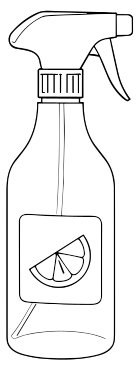
Zitronensäurelösung
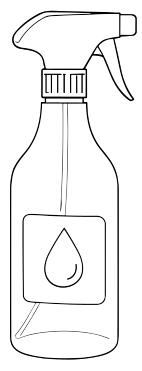
Destilliertes Wasser
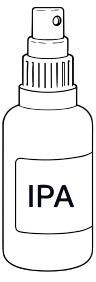
Isopropanol (IPA)
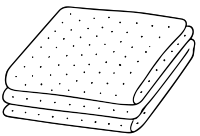
Zitronensäurelösung

Zitronensäurelösung
Schnell reinigen
Geeignet für die regelmäßige Wartung und Entfernung von Fingerabdrücken.
1

IPA anwenden
Tragen Sie eine kleine Menge IPA auf die Glasoberfläche auf.
2
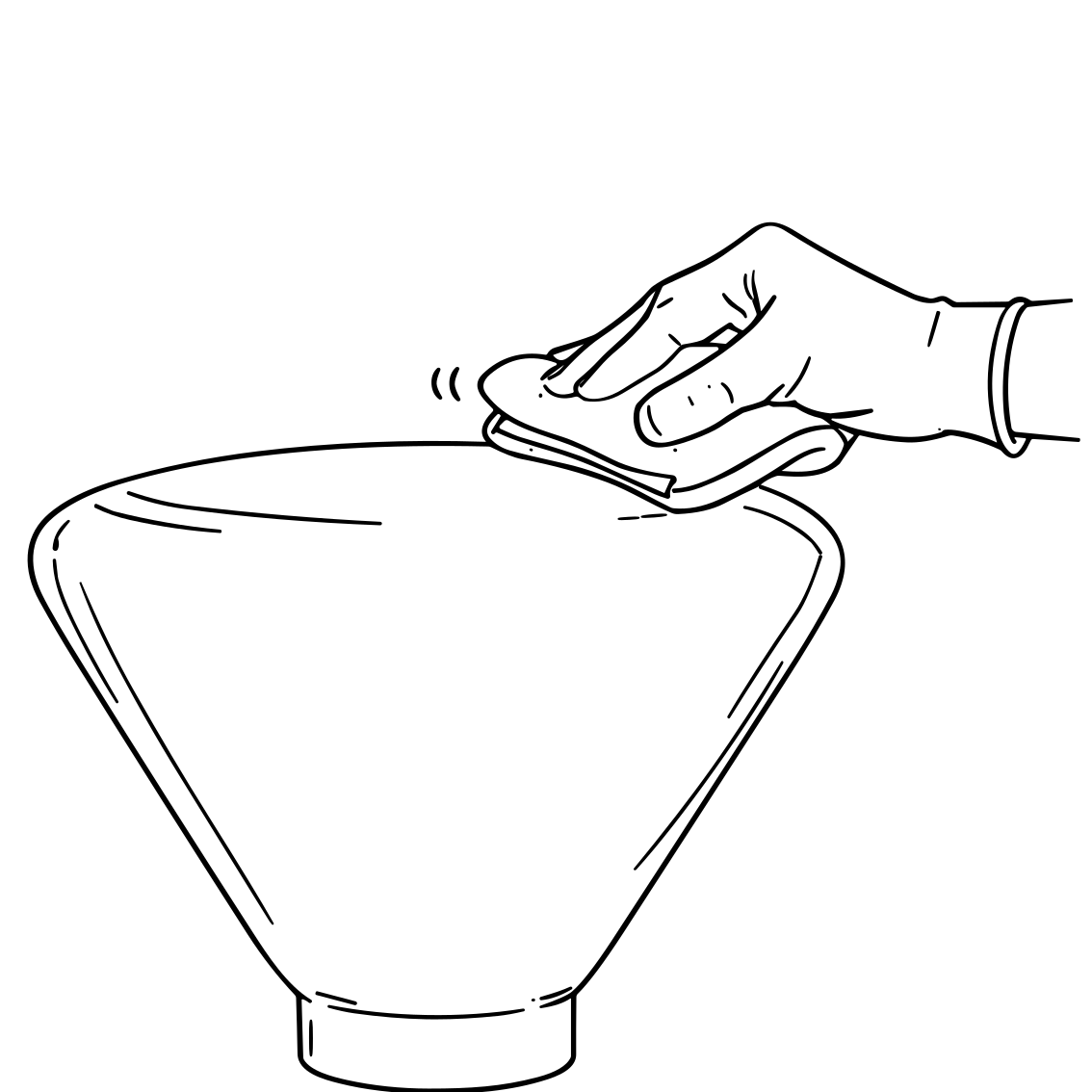
Wischen
Wischen Sie die Oberfläche vorsichtig mit einem Schwedentuch ab.
3
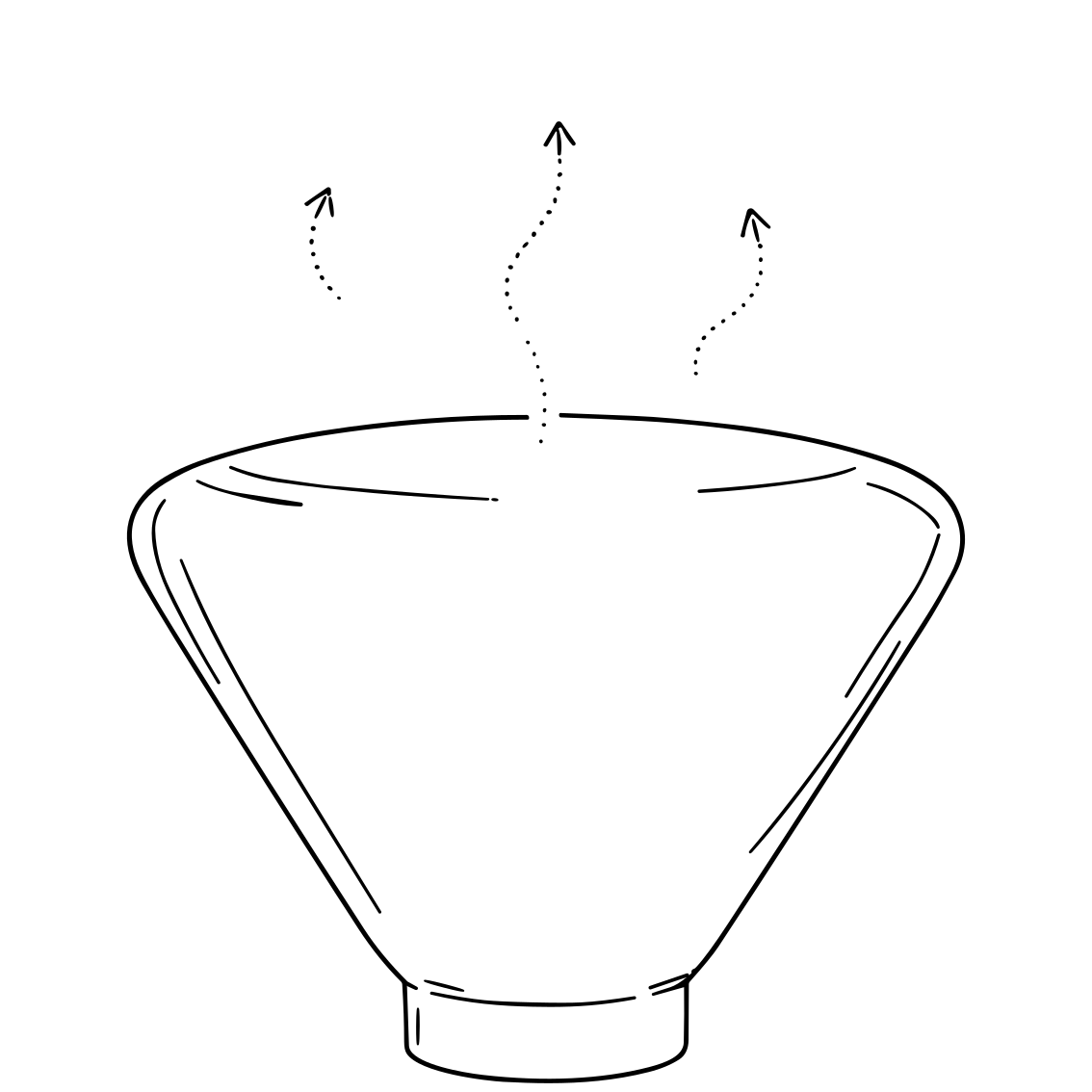
Verdunstung
Lassen Sie das restliche IPA auf natürliche Weise verdunsten.
Ergebnis
Schnelle Entfernung von Fingerabdrücken und leichten Verunreinigungen.
Empfohlene Reinigung
Empfohlenes Vorgehen für die regelmäßige Glasreinigung.
1

Zitronensäure auftragen
Lösung
Sprühen Sie die Zitronensäurelösung auf das Glas. 10–15 Sekunden einwirken lassen.
2

Abspülen
Wischen Sie die Oberfläche vorsichtig mit einem sauberen schwedischen Tuch ab.
3
Trocken
Trocknen Sie die Oberfläche mit einem Papiertuch.
4
IPA anwenden
Tragen Sie eine kleine Menge IPA auf die Glasoberfläche auf, um verbleibende Fettrückstände zu entfernen.
5
Endgültiges Löschen
Wischen Sie die Oberfläche vorsichtig mit einem Schwedentuch ab.
6
Verdunstung
Lassen Sie das restliche IPA natürlich verdunsten.
Ergebnis
Hohe optische Klarheit des Glases ohne Streifen.
TIEFENREIN
Empfohlen für:
1
Zitronensäurelösung auftragen
Sprühen Sie die Zitronensäurelösung auf das Glas. 10–15 Sekunden einwirken lassen.
2
Wischen
Wischen Sie die Oberfläche vorsichtig mit einem sauberen schwedischen Tuch ab.
3
Abspülen
Gründlich mit destilliertem Wasser abspülen.
4
Trocken
Trocknen Sie die Oberfläche mit einem Papiertuch ab.
5
IPA anwenden
Tragen Sie eine kleine Menge IPAauf die Glasoberfläche auf,um verbleibende Fettrückständezu entfernen.
6
Endgültiges Löschen
Wischen Sie die Oberflächevorsichtig mit einem schwedischen Tuch ab.Lassen Sie das restliche IPAauf natürliche Weise verdunsten.
Ergebnis
Entfernung von Mineralablagerungen und Wiederherstellung der perfekten optischen Klarheit.
Hinweis
Bei starker Verunreinigung müssen die Schritte 1—4 möglicherweise wiederholt werden.
Wichtige Hinweise
Verwenden Sie keine fettigen oder verschmutzten Tücher
Üben Sie keinen Druck auf die Glasoberfläche aus
Isopropanol sollte nur als letzter Schritt verwendet werden, nicht als primäres Reinigungsmittel
Sicherheit bei der Arbeit mit IPA
Isopropanol ist leicht entzündlich.
Nicht in der Nähe von offenen Flammen verwenden
Sorgen Sie während des Gebrauchs für ausreichende Belüftung
Ein kurzer Geruch ist normal, da IPA schnell verdunstet
Bei unzureichender Belüftung kann es zu Schwindel oder Kopfschmerzen kommen — brechen Sie in diesem Fall den Reinigungsvorgang ab.
Was ist, wenn ich keine Zitronensäure habe?
oder destilliertes Wasser?
Der Reinigungsvorgang kann ohne sie durchgeführt werden, das Ergebnis ist jedoch möglicherweise nicht optisch perfekt.
Ohne Zitronensäure:
Überspringen Sie die Schritte 1—3 und fahren Sie mit Schritt 4 fort.
Ohne destilliertes Wasser:
Leitungswasser kann verwendet werden, kann jedoch mineralische Flecken hinterlassen, insbesondere in Bereichen mit hartem Wasser.
BROKIS-Empfehlung
Um die höchste Glasqualität und ein langanhaltendes Aussehen zu erhalten, empfehlen wir, das gesamte Reinigungsverfahren durchzuführen.
Vereinfachte Reinigungsmethoden eignen sich für die regelmäßige Wartung, entfernen jedoch möglicherweise keine langfristigen Mineralablagerungen.