
GLASS
CARE
How to properly clean handblown glass to maintain maximum optical clarity and long-term appearance.
For different levels of contamination we recommend three cleaning methods.

Required materials
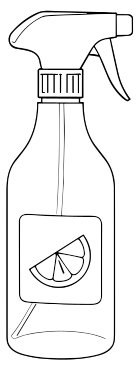
Citric acid solution
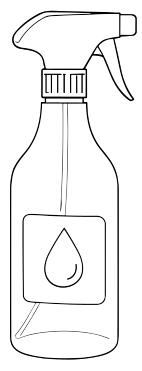
Distilled water
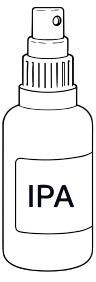
Isopropanol (IPA)
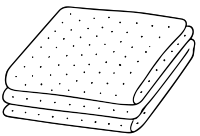
Swedish cloth
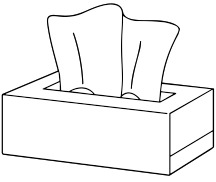
Paper towels
Quick clean
Suitable for regular maintenance and removal of fingerprints.
1

ApplyING IPA
Apply a small amount of IPA to the glass surface.
2
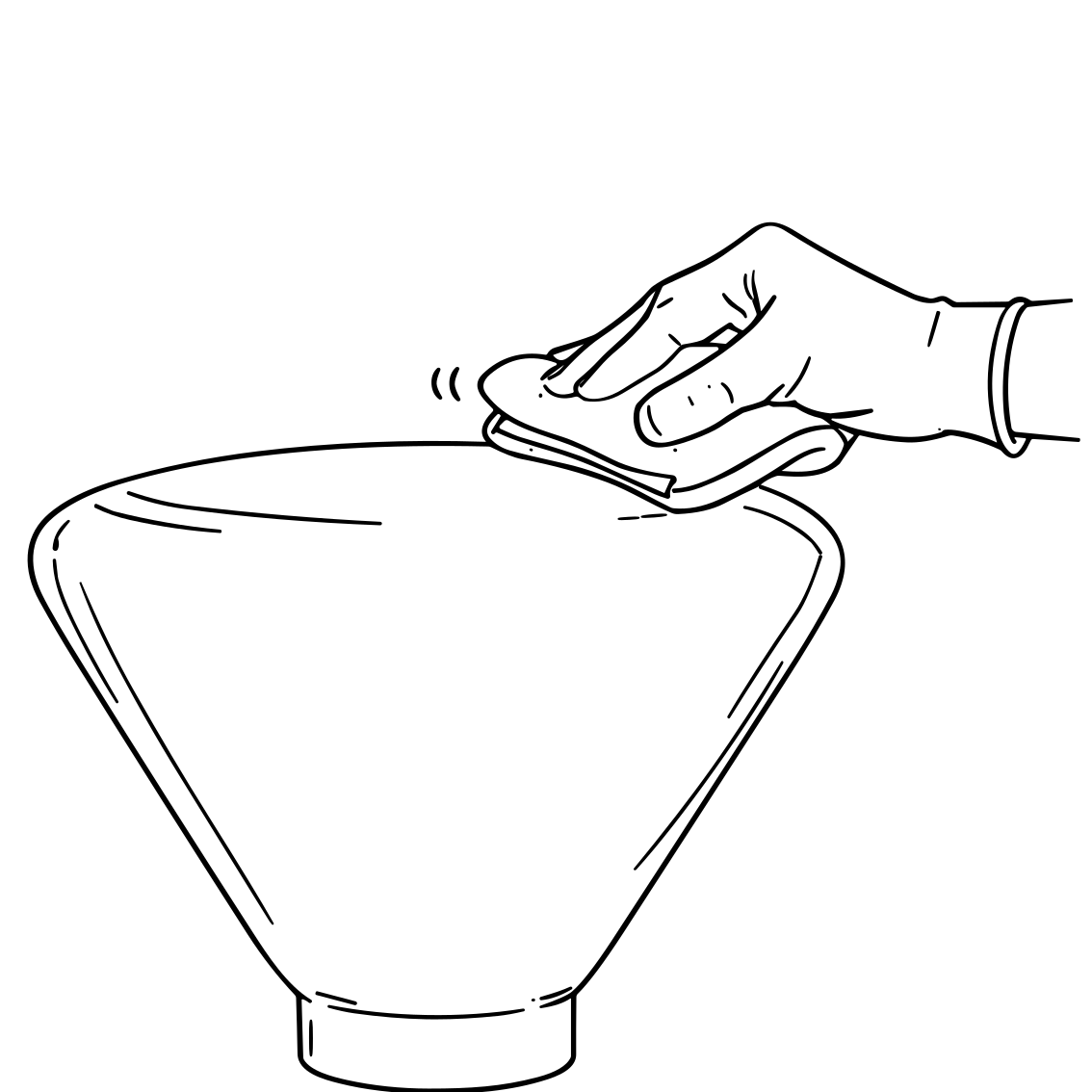
WipING
Gently wipe the surface with a Swedish cloth.
3
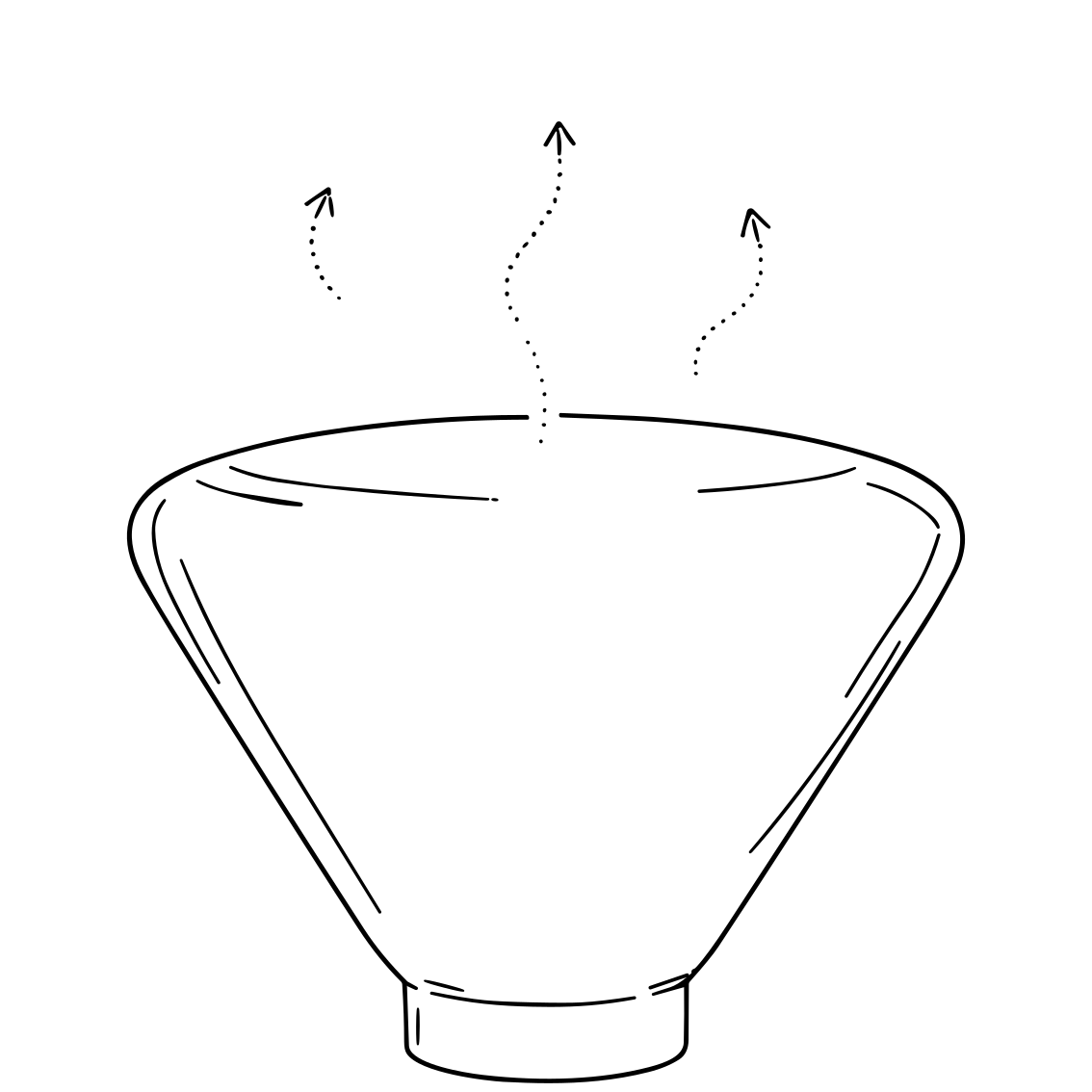
Evaporation
Allow the remaining IPA to evaporate naturally.
result
Quick removal of fingerprints and light impurities.
Recommended cleaning
Recommended procedure for regular glass cleaning.
1

ApplyING citric acid
solution
Spray the citric acid solution onto the glass. Leave to act for 10–15 seconds.
2

Rinse
Rinse thoroughly with distilled water to help prevent streaks.
3
DryING
Dry the surface with a paper towel.
4
ApplyING IPA
Apply a small amount of IPA to the glass surface to remove any remaining grease marks.
5
Final wipe
Gently wipe the surface with a Swedish cloth.
6
Evaporation
Allow the remaining IPA to evaporate naturally.
result
High optical clarity of the glass without streaks.
DEEP clean
Procedure recommended for heavier contamination or visible stains.
1
ApplYING the solution
Spray the citric acid solution onto the glass. Leave to act for 10–15 seconds.
2
WipING
Wipe the surface with a paper towel.
3
Rinse
Rinse thoroughly with distilled water.
4
DryING
Dry the surface with a paper towel.
5
ApplyING IPA
Apply a small amount of IPA to the glass surface to remove any remaining grease marks.
6
Final drying
Gently wipe the surface with a Swedish cloth. Allow the remaining to evaporate naturally.
result
Removal of mineral deposits and restoration of perfect optical clarity.
note
In case of heavy contamination, steps 1–4 may need to be repeated.
Important notes
Do not use greasy or contaminated cloths.
Do not apply pressure to the glass surface.
Isopropanol should only be used as a final step, not as the primary cleaning agent.
Safety when working with IPA
Isopropanol is highly flammable.
Do not use near open flames.
Ensure sufficient ventilation during use.
A brief odor is normal as IPA evaporates quickly.
If ventilation is insufficient it may cause dizziness or headache — in that case stop the cleaning process.
What if I do not have citric acid
or distilled water?
The cleaning process can be performed without them, but the result may not be optically perfect.
Without citric acid:
Skip steps 1–3 and continue from step 4.
Without distilled water:
Tap water can be used but may leave mineral stains, especially in areas with hard water.
BROKIS recommendation
To preserve the highest glass quality and long-term appearance, we recommend following the full cleaning procedure.
Simplified cleaning methods are suitable for regular maintenance but may not remove long-term mineral deposits.