

BEACON
DESIGN BY LEE BROOM
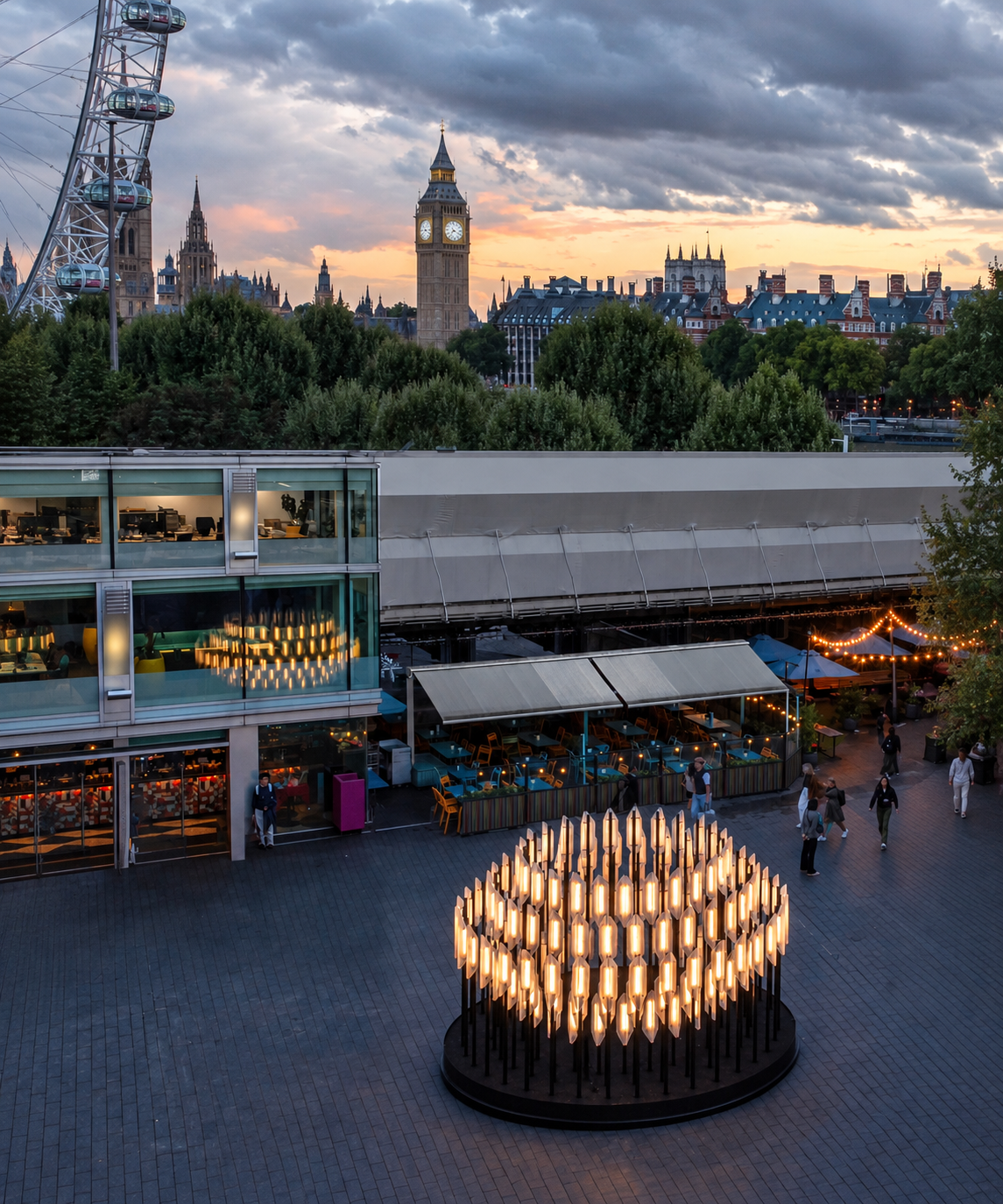
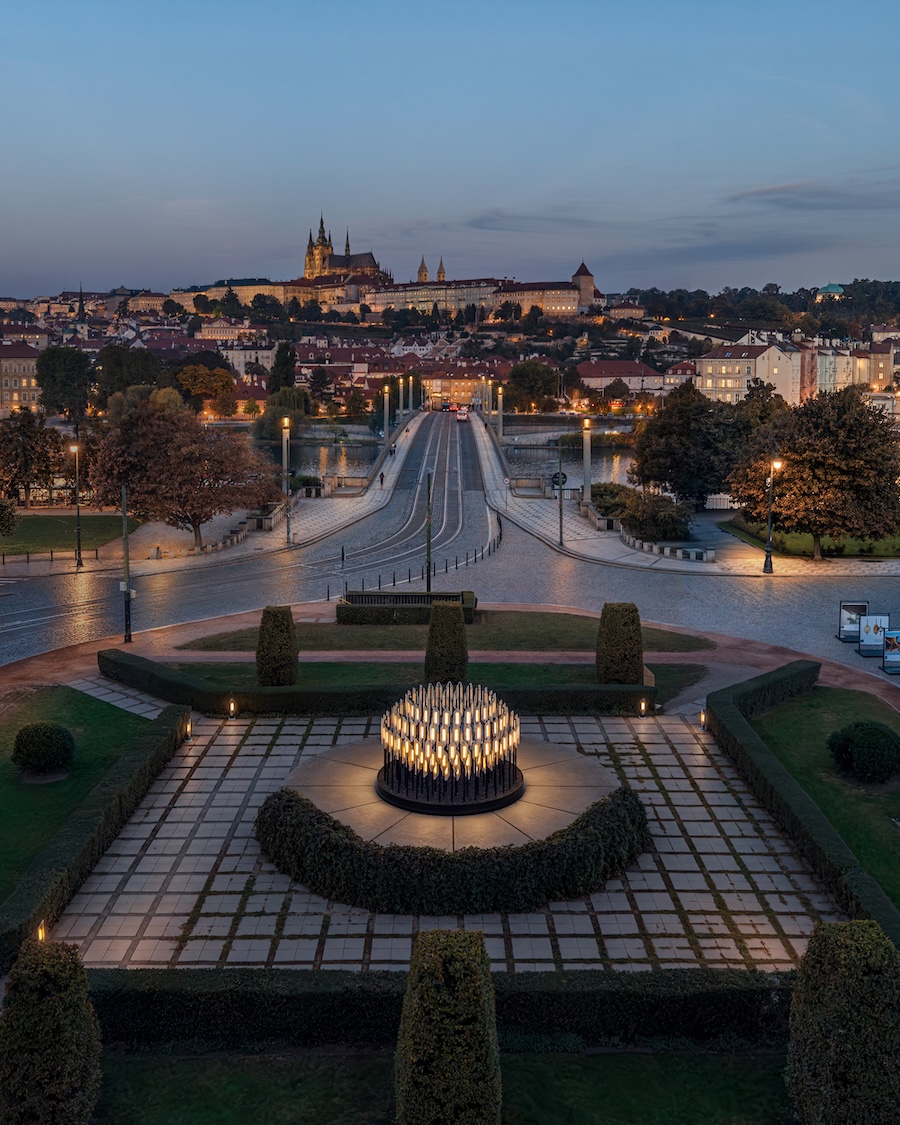
BEACON is a monumental sculptural lighting installation designed by Lee Broom and brought to life by BROKIS.
Following its unveiling in London, BEACON embarked on a journey across Europe. In April 2026, it was presented at Milan Design Week. In October, the installation will return to the Czech Republic, where it will be exhibited as part of DesignBlok Prague.
BEACON was first presented at London Design Festival 2025 as one of its most prominent Landmark Projects, standing outside the Royal Festival Hall in central London. It forms a monumental, chandelier-like structure that blurs the boundaries between light, architecture, and sculpture. Its repeated vertical elements, industrial materials, and precise geometry draw on the language of post-war modernism.
BEACON extends Lee Broom’s practice from product design into large-scale public art. The installation invites interaction, reflection, and shared experience. Open and accessible to all, it explores themes of design, sustainability, and cultural continuity.
Its environmental dimension is equally significant: BEACON is made from BROKISGLASS, a distinctive material produced by Janštejn Glassworks from recycled glass shards.


LEE BROOM
Lee Broom is one of the world’s leading designers and artists. A globally recognised brand, Lee Broom founded his studio in 2007 and has created over 100 sculptural lighting, furniture and accessories, all designed by Lee himself and sold around the world. Merging craft, materiality and innovation, all products are made in Britain by hand at the Lee Broom factory in East London. Known for his conceptual and dynamic exhibitions, Lee Broom has established a reputation for creating surreal, experiential presentations that constantly surprise and engage. The brand’s signature blend of classicism and modernity has earned over 40 prestigious awards, including British Designer of the Year and The Queen’s Award for Enterprise, presented by Her Majesty The Queen at Buckingham Palace.
‘Light has always been about much more than function for me; it has the ability to transform how we experience a space and how we feel within it. I’m interested in the emotional qualities of light and how it can create moments of joy, contemplation and wonder, in the same way that art can. With Beacon, I wanted to explore light on a larger, public scale, creating something that not only illuminates its surroundings but also creates a shared experience for everyone who encounters it.’
Concept and inspiration
Beacon was born from the desire to create a large-scale sculptural outdoor lighting installation inspired by its surroundings. Designer Lee Broom drew inspiration from the iconic Royal Festival Hall, the historic Victorian Dolphin Street Lamps, and the board-marked concrete of the Hayward Gallery — all located on London’s Southbank. These architectural and historical references are deeply embedded in the spirit of the final work.

production process
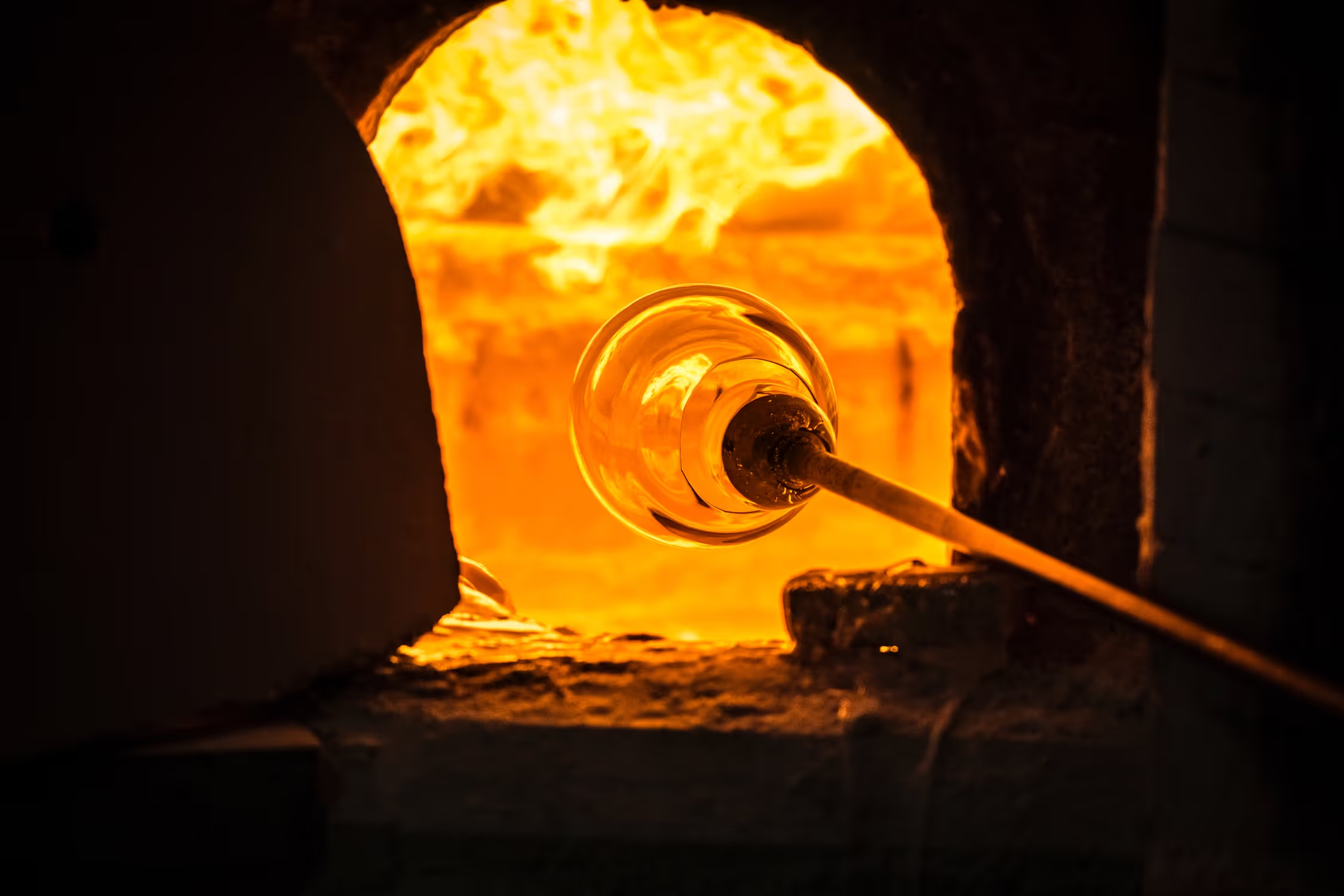
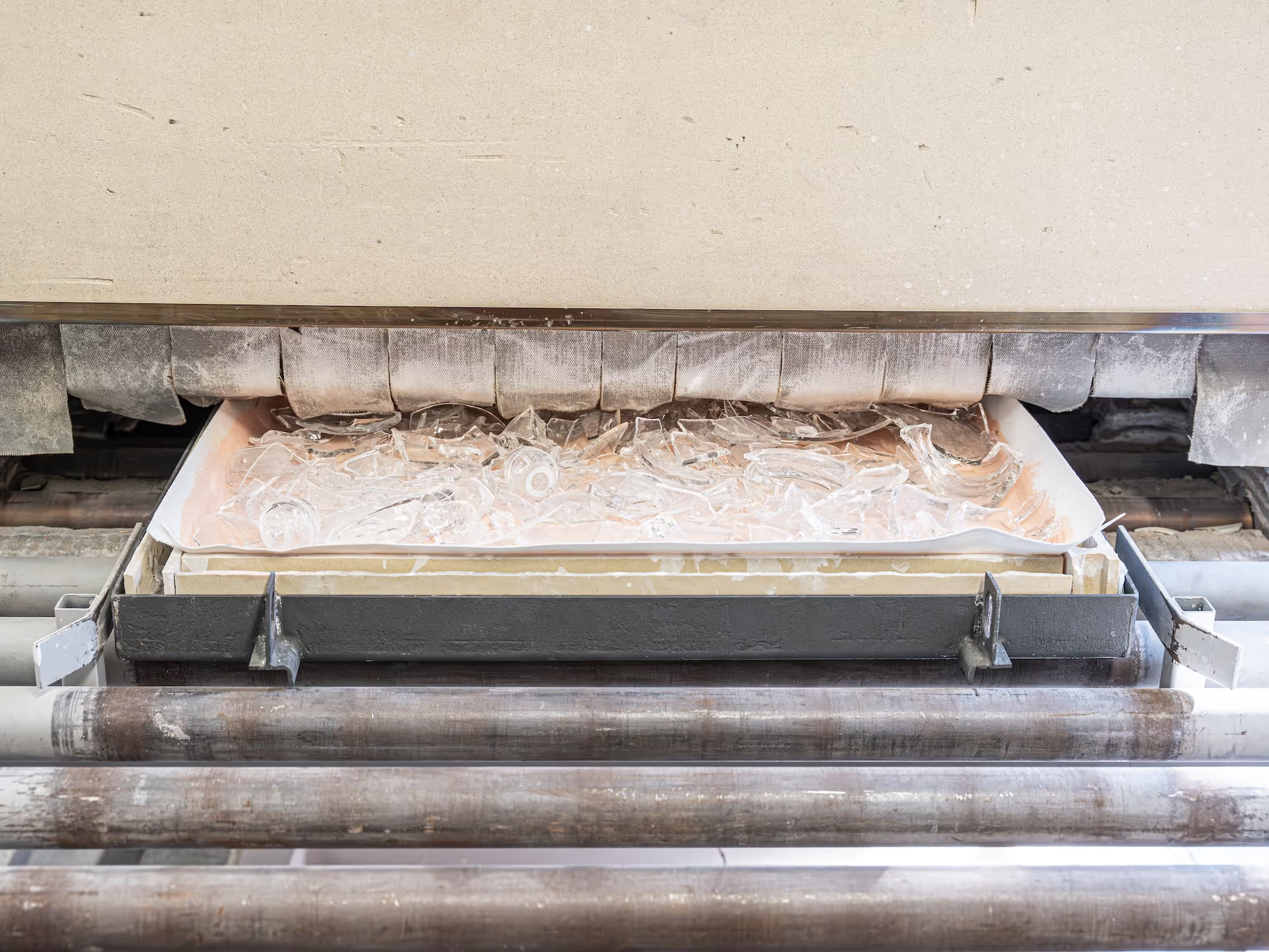
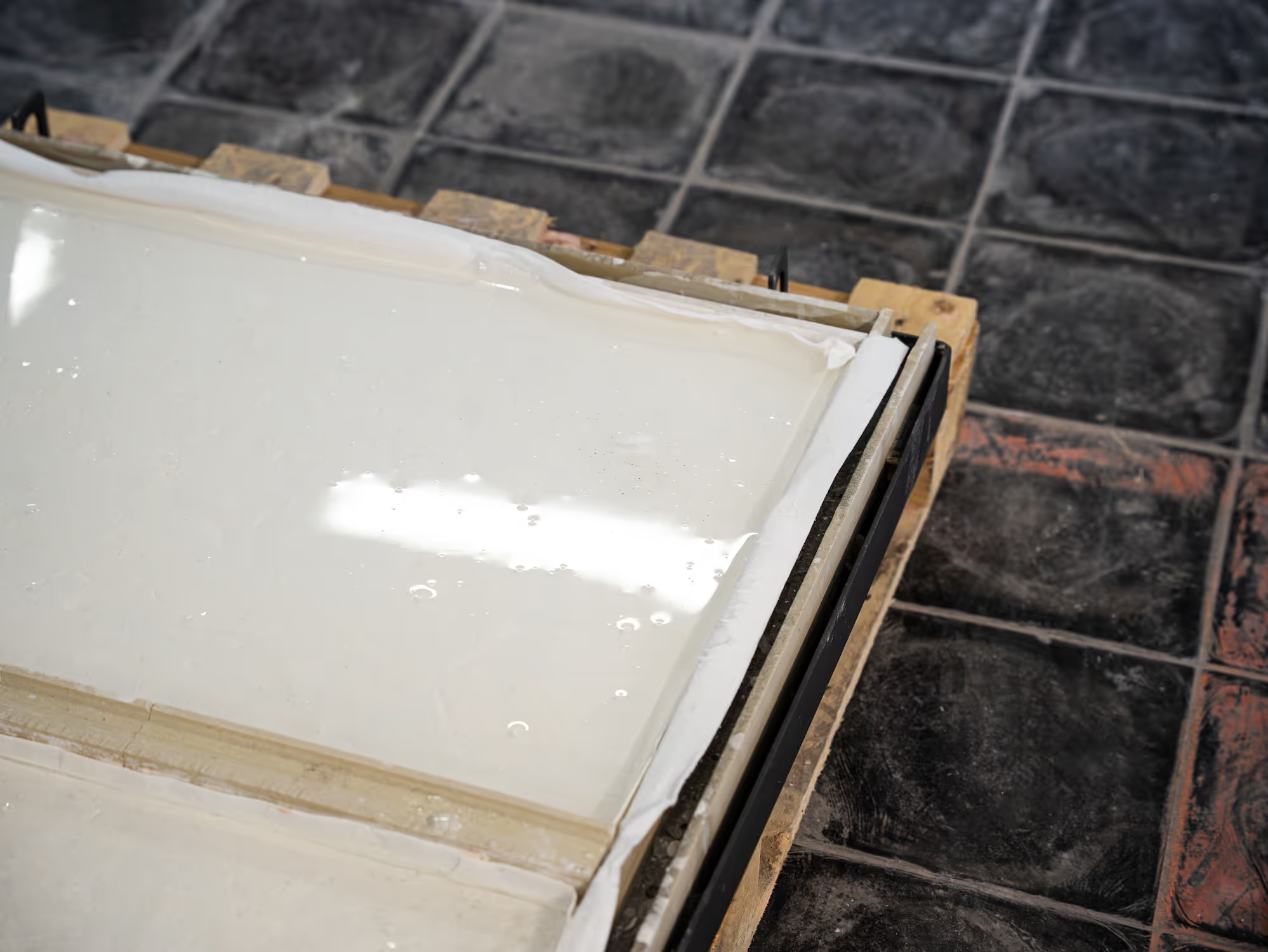
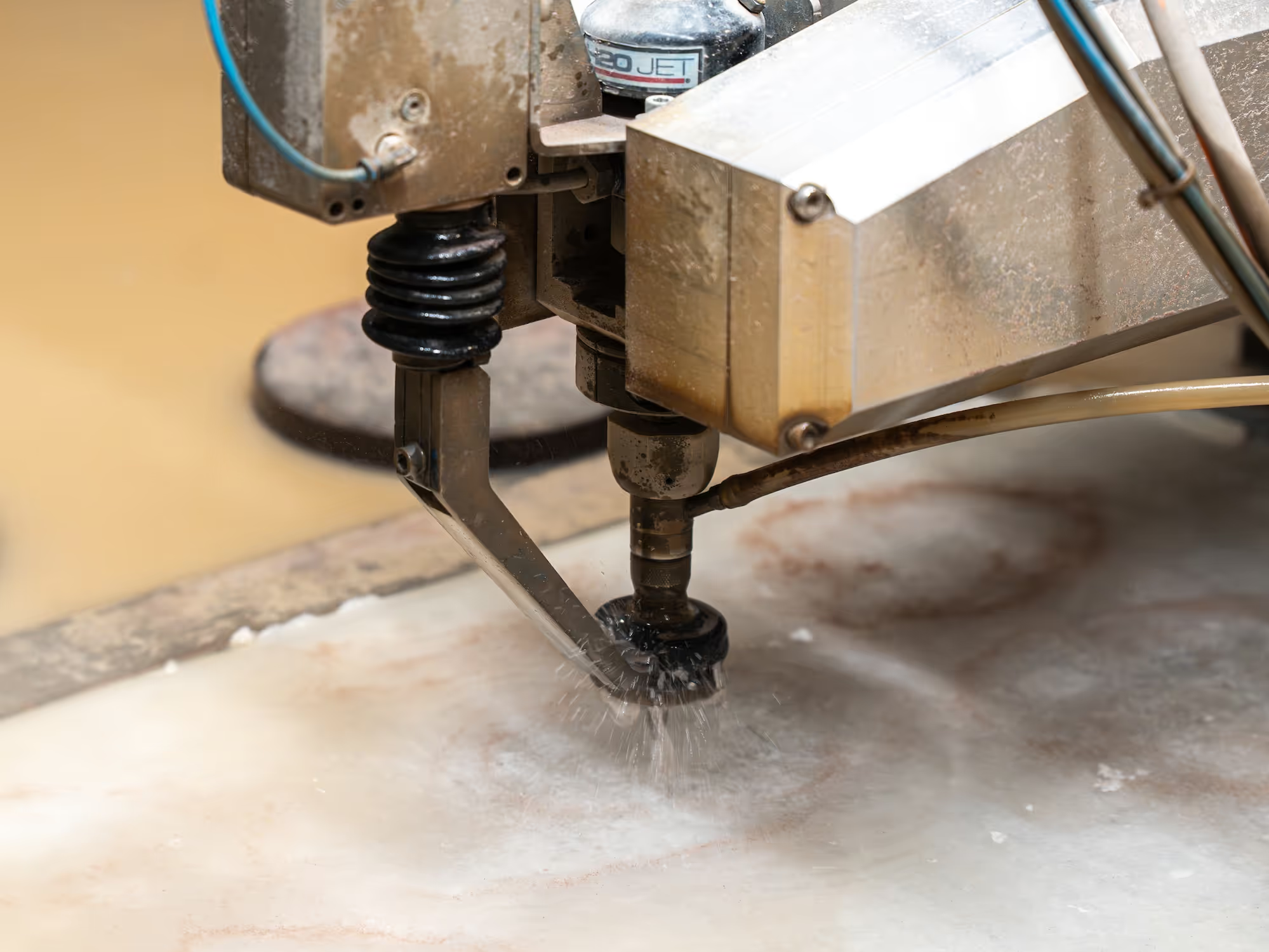
The robust BEACON light installation is composed of 292 BROKISGLASS segments, created through the recycling of waste glass from Janštejn Glassworks. The recycling process begins with handblown glass, during the production of which up to 30% of high-quality glass material is discarded as waste. At Janštejn Glassworks, however, these glass shards are then recycled in a fusing kiln, where they are cut using a water jet and shaped into a decorative pattern reminiscent of wood grain texture. Explore the production process of the glass components used in the BEACON installation in the following photographs.





production process
The robust BEACON light installation is composed of 292 BROKISGLASS segments, created through the recycling of waste glass from Janštejn Glassworks. The recycling process begins with handblown glass, during the production of which up to 30% of high-quality glass material is discarded as waste. At Janštejn Glassworks, however, these glass shards are then recycled in a fusing kiln, where they are cut using a water jet and shaped into a decorative pattern reminiscent of wood grain texture. Explore the production process of the glass components used in the BEACON installation in the following photographs.
raw material
blown glass
Trimming
shards
storing
sorting
Melting
panels
water jet cutting
final product
Glassmaking process
Metal components production
sustainability
BROKISGLASS products are certified per the Life Cycle Assessment (LCA) methodology. Following successful completion of the process, an internationally recognized Environmental Product Declaration (EPD) was issued. This comprehensive document provides measurable data on the environmental impact of the products throughout their life cycle.
read more

beacon in numbers
4.9 × 3 × 4.9 m
DIMENSIONS
(W X H X D)
292 pcs
GLASS PANELS
584 kg
TOTAL GLASS WEIGHT
2 kg
SINGLE GLASS WEIGHT